Tools & Planning · August 3, 2026
2026 Renovation Trends: What I'd Actually Spend Money On
Before you spend a dollar on 2026 trends, here's my three-tier framework for what's worth investing in, what's a cheap swap, and what I'd tell you to skip entirely.
"Which of this is actually worth spending money on?" is the question I get right after every conversation about what's trending, and it's the better question. I wrote up the trend side of 2026 separately. This is the money side: what I'd treat as a permanent decision, what I'd treat as a cheap two-year experiment, and the order to plan things in so you're not redoing work you just paid for.
I run YaDesign Inc., a Toronto and Los Angeles studio since 2014, and the honest answer to "should I spend money on this" changes by client. The framework underneath it doesn't change much, and that's what I want to hand you here.
One note before we start: the dollar ranges below are Canadian, drawn from what real projects cost right now, not a quote for your house. Bring them to a designer or contractor as a sanity check, not a substitute for one.
Ask this before you ask what's trending
Most renovation planning starts backwards. Someone builds a mood board, falls for a render, and only then asks what it costs and whether the layout even works. By the time budget enters the conversation, half the decisions are already made emotionally, and walking them back costs real money in restocking fees, redesign hours, and delay.
The better order is measure the room, set a number, then look at trends. Not because trends don't matter. It's that "is this trending" doesn't tell you whether a choice is one you'll live with happily in five years or one you'll want to undo in two. That's a different question, and it has a much more useful answer.
The three-tier way I think about a renovation budget
Here's the test I actually use, and it has nothing to do with what's fashionable: if undoing it requires demolition, treat it as a 10-to-20-year decision and spend well. If it unscrews, unplugs, or repaints, it's a 2-to-7-year decision, and you're free to chase the trend.
That splits almost everything in a renovation into three practical tiers.
- Structural / permanent (10-20 years). Layout changes, cabinetry, stone, tile set in a bathroom: anything that needs a plumber or electrician before a trade even shows up. Getting this wrong means a second renovation, not a weekend fix.
- Mid-commitment (5-10 years). Appliances, furniture, wired lighting, smart-home infrastructure. Worth investing in if it fits how you actually live. Don't over-spec it on a maybe.
- Cheap and swappable (2-7 years). Paint, textiles, hardware, small fixtures, gadgets. This is where you're allowed to chase every trend with no regret either way.
On a typical full renovation, the boring structural tier eats 65-75% of the budget, mid-commitment items sit around 15-20%, and the swappable layer most people obsess over is usually only 8-15%, small, but the part that actually reads as "2026" to a visitor. Spend the big percentage on quiet, well-made basics, and let the small one carry the personality. Reverse that ratio and you'll likely be renovating again before the mortgage renews.
| Item | Tier | Typical cost (CAD) | Why |
|---|---|---|---|
| Kitchen layout change (moved plumbing/gas) | Structural | $8,000–$25,000+ | Needs permits and rough-in; redoing it means a second renovation |
| Kitchen cabinetry (semi-custom) | Structural | $8,000–$18,000 | Largest single line item; swapping it means gutting the kitchen |
| Quartz or stone counters | Structural | $3,000–$8,000 | Template-cut to the cabinetry; replacing counters usually means replacing boxes too |
| Bathroom re-tile with heated floor | Structural | $10,000–$20,000 | Wired and tiled in; a 15-20 year decision the moment it's set |
| Living room built-ins / media wall | Structural | $3,000–$20,000+ | Removing millwork damages the wall behind it |
| Major appliances (full suite) | Mid-commitment | $6,000–$20,000+ | 10-year realistic lifespan before repair costs favour replacement |
| Wired, tunable lighting system | Mid-commitment | $150–$400 per fixture point | The wiring outlasts the trend; the fixtures won't |
| Smart thermostat, doorbell, core hub | Mid-commitment | $200–$600 each | Genuine energy savings; stick to open standards so it isn't a liability at resale |
| Sofa or key seating | Mid-commitment | $2,500–$6,000+ | 8-10 years of real use if the frame and cushions are good |
| Paint, limewash, wallpaper accent | Swappable | $500–$3,000 | First thing repainted regardless of taste; zero resale risk |
| Hardware, faucets, small fixtures | Swappable | $50–$500 each | Changes a room's whole feel without touching plumbing or wiring |
| Individual smart devices (bulbs, plugs, purifiers) | Swappable | $30–$300 each | Most of the benefit of a wired system, replaceable the moment better tech arrives |
Treat these as sanity-check ranges, not quotes. Real costs vary by city, contractor, and how much of your home is original to a decade you can't easily wire around.
What's a 10-to-20-year decision
These are the choices where undoing a mistake means a second renovation. Spend well here, and treat the "on-trend version" of each as optional, not required.
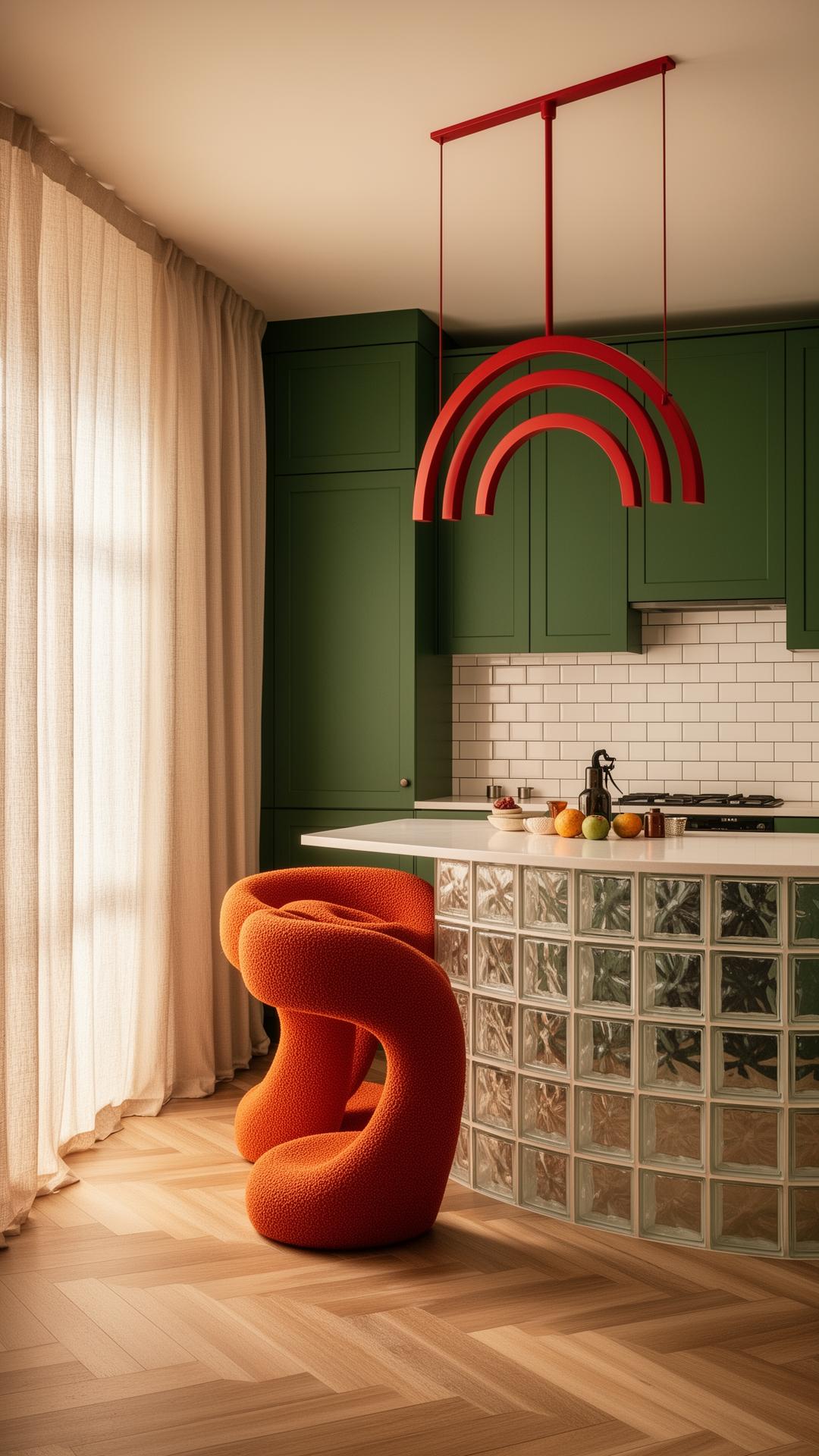
Kitchen: layout, cabinetry, counters
Moving plumbing or gas to change a layout is the most expensive line item to redo, so decide it once and decide it right. Broken-plan layouts (open, but zoned, rather than one big room) are gaining ground over fully open concept, and I like the direction, but only for someone staying long enough to enjoy it. If you're selling within three years, a fully open kitchen with an island still tests better with buyers than a layout you personally prefer.
Cabinetry usually eats 20-30% of a kitchen budget on its own. Pay for plywood boxes over particleboard if the number allows it; Ontario's swing between dry winters and humid summers isn't kind to cheap substrates over a couple of decades. Counters follow the same logic. Quartz is the safer long-run choice for a busy household because it never needs sealing, while natural stone is a longer bet that ages by developing character rather than by staining. Some people love that; others will regret it by year six.
Bathroom: tile, layout, heated floors
A full re-tile with a moved fixture or two is a once-a-generation project, which is exactly why heated floors are worth the extra $750-$1,000 or so on a standard bathroom. It answers a genuine Canadian-winter problem, it's wired in while the floor is already open, and it's one of the only "trend" items I'd actually file as a structural investment rather than a swap. Skip it only on a secondary bathroom you're finishing purely to list the house.
Living spaces and built-ins
Custom shelving or a media wall runs anywhere from a few thousand dollars for simple shelving to well over $20,000 for a full millwork wall. It's structural in the sense that matters here: pulling it out damages the wall and floor behind it. Built-ins are a strong bet if you know exactly how you use the room. A home-office wall of cabinetry is a great decision for someone who works from home permanently, and a shakier one for someone who might not still be in five years.
Outdoor and indoor-outdoor living
Anything with a gas line, buried electrical, or a poured base (an outdoor kitchen shell, a proper patio) should be done once, correctly, with real winterization in mind. Trenching a yard twice is its own kind of expensive regret. If you're renovating to sell, build the small, honest version instead: a simple patio without the gas and plumbing runs a fraction of the cost, and most Canadian markets don't reliably return a full outdoor kitchen's price at resale anyway.
What's worth it if it fits your life (5 to 10 years)
This tier rewards buying well, but punishes over-committing to something that might not match how you're living in five years.
Appliances and bathroom fixtures
A full appliance suite runs $6,000 to $20,000 or more depending on tier, but a 10-year lifespan is realistic before efficiency standards or repair costs make replacement the obvious call anyway. Spend on what you use daily: the range, the fridge. Go simpler on appliances that mostly just sit there, like a wine fridge, unless your specific market rewards them at resale. The same logic applies to bathroom fixtures: buy well on anything with a valve, because a failure there means water damage, and treat the finish, matte black versus brass, as the part you're allowed to change your mind about.
Furniture
A good sofa, bought once, should give you eight to ten years of real use. Curved and rounded silhouettes are genuinely popular right now, and I've covered why some of them don't sit as well as they look. The short version: spend on the frame and the cushion quality, and treat the shape as the part you're most likely to tire of first.
Lighting and smart-home core
Tunable, circadian-style lighting has come down in price since its specialty-only days, but wiring it into ceilings and switches is still an electrician's job, not a bulb swap. Budget roughly $150-$400 per fixture point plus the control system. That wiring outlasts several generations of the fixtures and apps that plug into it, which is why it sits in the middle tier and not the swappable one. Smart thermostats and video doorbells are the rare mid-tier item worth it even on a resale timeline: inexpensive, instantly understood by buyers, with real energy savings behind them. The catch is picking open, well-known systems; a proprietary ecosystem that's obsolete in five years can actively hurt a sale.
Wellness infrastructure
Upgraded filtration or an HRV addition, often $1,500 to $6,000 depending on scope, is a reasonable response to wildfire-smoke air-quality events, which are now a recurring Canadian summer rather than a one-off. It's a legitimate mid-tier investment if someone in the house has a respiratory sensitivity or you're in an affected region. For most other households, a better furnace filter plus a portable HEPA unit covers the same problem for a fraction of the cost. See the next section.
The layer you should feel free to chase every year
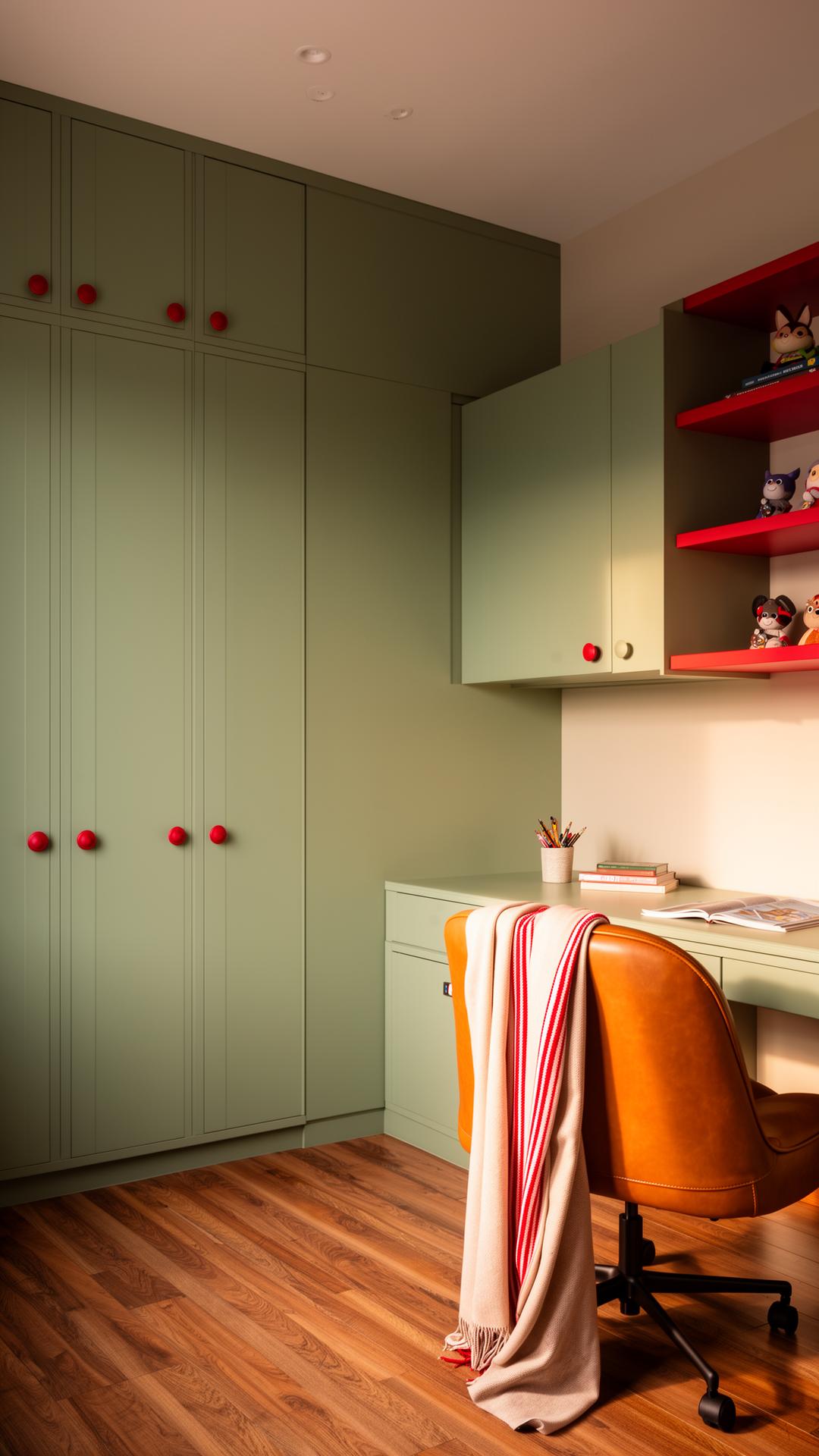
Here's the good news. Paint, wallpaper, and limewash run $500 to $3,000 a room and are the first thing anyone repaints regardless of taste, so there's no real resale risk in chasing a colour you'll be bored of by 2029. I go deeper on which colours are actually worth that gamble in my 2026 colour trends piece. Textiles (boucle, heavy linen, a new rug) sit in a similar range and can swap with the season if you want them to. Hardware, faucets that don't require re-plumbing, and small lighting run $50 to $500 a piece and change a room's whole feel without touching a single wall.
Individual smart devices (a tunable lamp, a plug-in purifier, a smart bulb) are the right entry point for most of what wired lighting or filtration promises, at $30 to $300 a device instead of a wired system's price. Try the cheap version first. Upgrade to the structural version only once you know you actually use it.
Outdoor furniture, planters, and string lighting are the swappable counterpart to the hardscape investment above: pack it away for winter, replace it in spring, and let it carry the season's actual trend without touching the patio underneath it.
How to actually prepare for a 2026 renovation
The order that saves you money
Layout first, always: walls, openings, ceiling changes, decided before a single finish is chosen. Plumbing and electrical rough-in second, because once drywall closes, moving a drain line costs three to five times what it would have cost a week earlier. Cabinetry and stone templating third, since you can't template a counter around an appliance you haven't bought yet. Paint, tile, fixtures, and hardware last, because those are the reversible decisions, and trends in that layer genuinely do shift over an 18-month build.
For a full kitchen or bathroom, budget 8 to 16 weeks of design and permitting before demolition starts: 3 to 6 weeks of design development, 2 to 8 weeks of permit review depending on your municipality, with material lead times running in parallel. Most people underestimate the permit clock, not the construction clock.
What blows up a budget
The most common mistake isn't overspending on a trend. It's under-budgeting the trades nobody photographs. Instagram and showrooms are almost entirely finishes, so people mentally allocate most of their budget to finishes too. In a real gut renovation, electrical, plumbing, permits, and structural work typically eat 35-45% of the total. That mismatch between what you see online and what actually costs money is the single biggest source of mid-project budget shock.
Close behind it: buying tile or fixtures before the layout is finalized. The return fee is the smallest part of the cost. The real cost is a finish choice quietly locking in a layout decision that should have stayed flexible.
If your home is older than you are
Pre-1970s homes across Toronto, East York, and Etobicoke routinely hide knob-and-tube wiring, which becomes an insurance issue the moment it's disturbed, galvanized supply lines that fail inspection outright, or asbestos-era materials in old vermiculite insulation and floor mastic that need abatement before demolition can start. If your home falls in that window, a 10-15% contingency isn't padding. It's close to the expected cost, not the worst case. Book your contractor early, too. Good GTA trades are often booked solid by September for winter starts, since everyone wants to be finished before spring listing season.
The same logic at $20,000 and at $200,000
At $20,000, you're almost never touching layout or cabinetry boxes. The structural tier can just mean keeping sound flooring and refacing or repainting existing cabinets instead of replacing them, which frees nearly the whole budget for the swappable layer: paint, lighting, hardware, a backsplash. Lighting and hardware are the highest-impact spend at this scale: inexpensive, structurally risk-free, and able to change a room's whole feel.
At $200,000 and up, the structural tier genuinely is the majority of the spend, and that's correct. There's finally room for the plaster, integrated lighting, and millwork detail that make the warm-minimalism direction actually work instead of just looking good in a render. The mistake at this budget isn't skipping the permanent layer. It's over-customizing the swappable one, custom this and custom that, when a simpler cheap layer sitting on top of a better permanent one almost always ages better.
I've watched this play out on both ends, from a full custom build like Casa Lumière down to a single-room refresh, and the ratio holds either way: spend deliberately on what you can't easily change, and let the part you can change do the trend-chasing for you.
The real trap isn't the trend
It's chasing one in the wrong tier. Painting a room a colour you'll tire of costs you an afternoon. Gutting a kitchen around a shape of sofa that's popular this year costs you a renovation you'll want to redo before it's paid off. Nothing here is an argument against following 2026's direction; warm minimalism, texture, the return of real colour are all worth having in your home. The only rule that actually matters is knowing which tier you're spending in before you spend.
If you want a second opinion on where your specific budget should go, that's exactly what a virtual design consultation is for before you commit to anything larger. For a full room or a full home, that's residential interior design. Either way, book a consultation and bring your real number, not just a moodboard.
People also ask
- Which 2026 renovation trends are actually worth investing in?
- The ones you can't easily undo: layout changes, cabinetry, stone counters, and bathroom tile with heated floors. Treat those as 10-to-20-year decisions and buy them well, in a fairly neutral, well-made form. Save the actual 2026 look (warm minimalism, texture, earthy colour) for paint, textiles, lighting, and hardware, which are cheap to change again in a few years.
- What renovation costs do people forget to budget for?
- Electrical, plumbing, permits, and structural work: the trades nobody photographs. On a real gut renovation these typically eat 35 to 45% of the total budget, while most people mentally allocate almost everything to finishes because that's what shows up online. Underbudgeting the invisible trades is the single most common source of mid-project budget shock I see.
- How long should I plan before construction actually starts?
- Budget 8 to 16 weeks of design and permitting before demolition on a typical kitchen or bathroom: 3 to 6 weeks of design development, 2 to 8 weeks of permit review depending on your municipality, with material lead times running in parallel. Most homeowners underestimate the permit clock, not the construction one.
- Is it worth paying more for cabinetry and countertops right now?
- Yes, if you're staying long-term. Cabinetry is usually 20 to 30% of a kitchen budget on its own, and plywood boxes outlast particleboard by a wide margin through Ontario's humidity swings. Quartz is the safer long-run counter choice for a busy household; natural stone is a longer bet that ages by developing character rather than staying pristine.
- What's the cheapest way to try a 2026 trend without committing?
- Start in the swappable layer: paint, textiles, hardware, and individual smart devices like a tunable lamp or plug-in air purifier. All of it runs $30 to a few hundred dollars, none of it needs a contractor, and none of it locks you into anything if the look doesn't hold up past next year.
- How does renovating an older Toronto-area home change the budget?
- Pre-1970s homes in Toronto, East York, and Etobicoke routinely hide knob-and-tube wiring, galvanized plumbing, or asbestos-era materials that need dealing with before demolition can start. Budget a 10 to 15% contingency specifically for this. For a home that age, it's close to the expected cost, not a worst-case scenario.
- Should I renovate differently if I'm planning to sell soon?
- Yes. Stick to layouts and finishes that test broadly: a fully open kitchen with an island, neutral cabinetry, quartz over a bolder natural stone. Skip anything expensive that's hard to reverse, like a full outdoor kitchen or heavy customization, and save your personal, harder-to-undo choices for a home you're planning to stay in.
- What's the biggest mistake homeowners make when planning a 2026 renovation?
- Building a mood board and picking finishes before the layout and budget are set. It feels productive, but it usually produces a wish list disconnected from what the room and the number can actually support, and untangling that costs more time than starting with a tape measure and a real budget would have.