Approach · Style
Warm Minimalist Interior Design
Minimalism went cold somewhere around the second white box. Warm minimalism is the correction: the same restraint, applied to materials that age, in rooms you can actually sit down in.
Book a Consultation →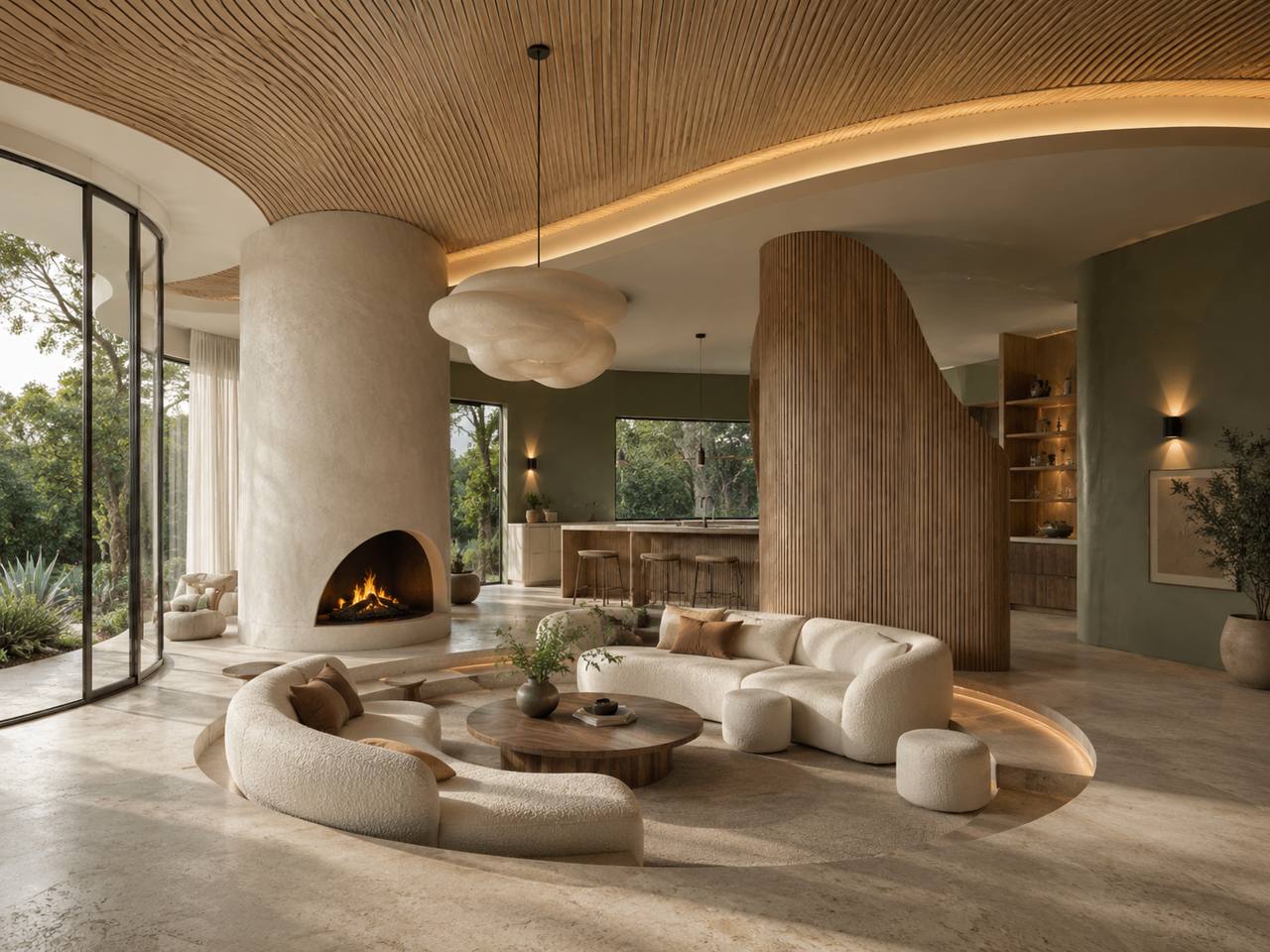
Few things, chosen properly
The discipline is not about how little is in the room. It is about how few decisions are visible. A warm minimalist room usually has three or four materials in it and no fifth one arguing.
What makes it warm rather than austere is almost entirely material: lime plaster instead of flat paint, solid timber instead of foil-wrapped board, wool and linen instead of polyester, unlacquered brass that will go dark where hands touch it. None of that is decoration. It is the same reduced palette, made of things that respond to light and to use.
This is the studio's own territory, so this page is an argument rather than a service description. If you want the service, the residential page is the one to read.
Why cold minimalism fails
White walls, grey engineered floor, black metal, one plant. The style photographs perfectly and lives badly, and the reason is that every surface in it is inert. Matte paint on flat drywall gives light nothing to do. Engineered flooring with a printed grain reads correctly in a photograph and wrong at a metre. Powder-coated steel looks the same on day one and day three thousand.
A room made entirely of inert surfaces has no register for time passing, so it can only ever look new or look worn out. There is no middle state, which is where good rooms actually live.
The other failure is acoustic. Hard, flat, parallel surfaces make a room that sounds like a corridor, and people describe that as feeling cold without ever identifying the sound as the cause. Adding a rug and heavy curtains to a minimalist room is not a compromise of the idea. It is the idea working.
What we actually specify
Walls: lime or clay plaster where the budget allows, because it holds light with depth that paint cannot, and it can be repaired rather than repainted. Where it does not, a limewash or a properly chalky matte, and never on a badly finished wall — minimalism has nowhere to hide a bad plasterboard joint.
Timber: solid or thick-veneer, in one species per room, oiled rather than lacquered so it can be sanded back locally when something inevitably marks it. White oak is the default here for a reason; it is stable in a Toronto winter and it does not go orange.
Textiles: wool, linen, and bouclé, in weights heavy enough to hang properly. This is where most of the softness comes from and where the budget should hold. A cheap linen curtain looks cheap from across the room in a way a cheap side table does not.
Metal: unlacquered brass and blackened steel, chosen because they change. If you want the brass to stay bright, we specify something else, because otherwise you will be unhappy in eight months.
Light: layered and warm, on separate circuits, dimmable, and mostly indirect. Cove lighting and wall washing do more for a minimal room than any fixture you can see, and the fixtures you can see should be few and worth looking at.
Where it goes wrong
The most common failure is confusing warm minimalism with beige. A room in seven shades of the same sand colour is not restrained, it is undecided. Restraint means few materials with real difference between them, not many materials pretending to be one.
The second is storage. Minimalism only works if there is somewhere for everything to go, which means the joinery budget goes up, not down. A minimal room with nowhere to put the post is a minimal room for about four days.
The third is buying the look rather than building it. Warm minimalism assembled from catalogue pieces in the right colours reads as a showroom, because everything in it is the same age and the same distance from a factory. Rooms get their warmth from things having different histories — one old piece, one thing made by hand, one thing that was expensive and one thing that was not.
And the fourth, in Toronto specifically: pale rooms designed for a light level this city does not have from November to March. A palette chosen in July needs checking against a grey afternoon in February before it is committed.
The working rules
Three or four materials
Per room, with real difference between them. A fifth material is almost always a decision that has not been made.
Surfaces that age
Plaster, solid timber, unlacquered metal, natural stone. Things that record time rather than resisting it.
Sound is half of warmth
Rugs, textiles, and soft ceilings. A room that echoes reads as cold no matter what is on the walls.
Indirect light, layered
Cove lighting and wall washing on separate dimmable circuits. Few visible fixtures, each one worth seeing.
Where it shows up
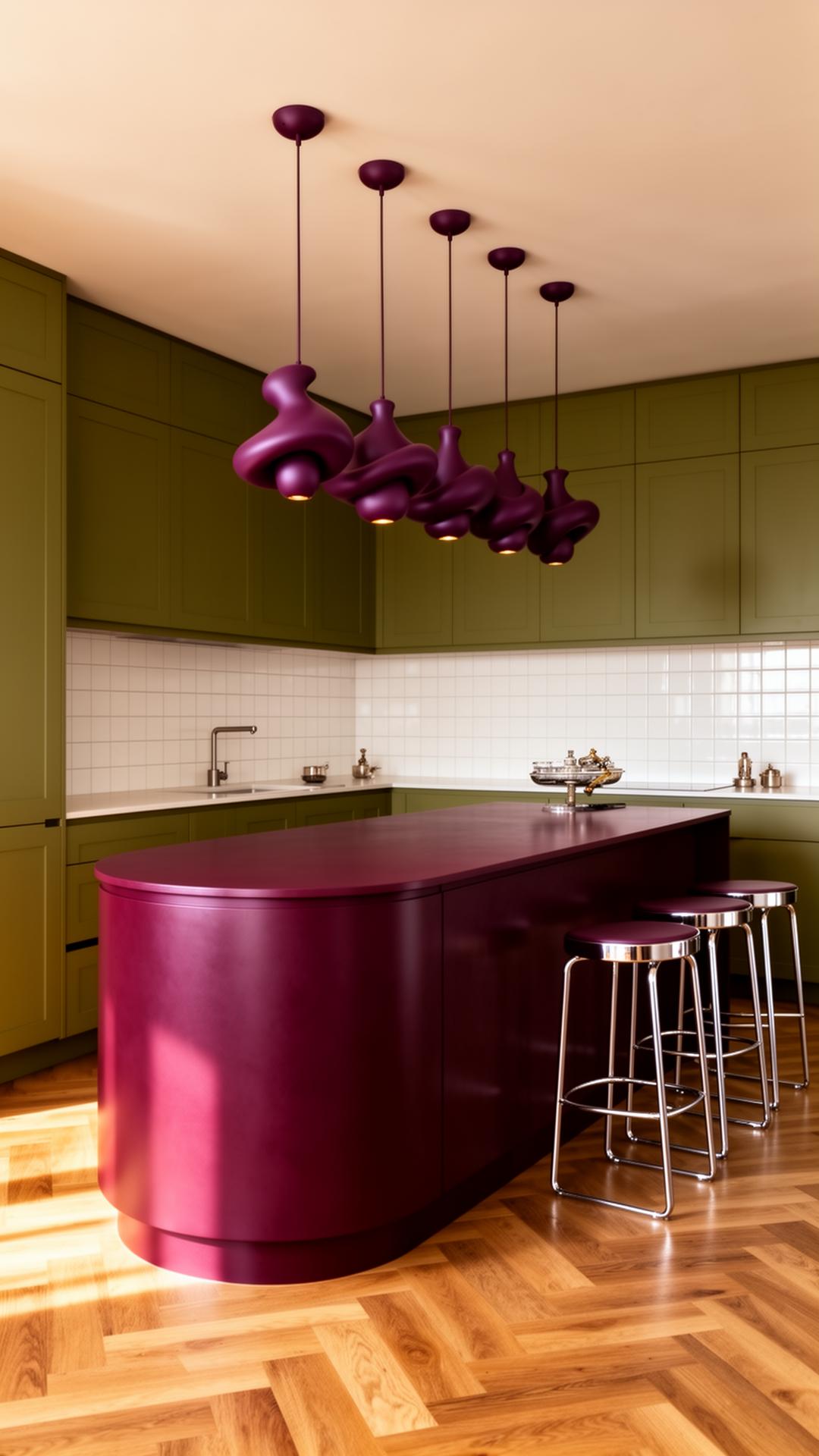
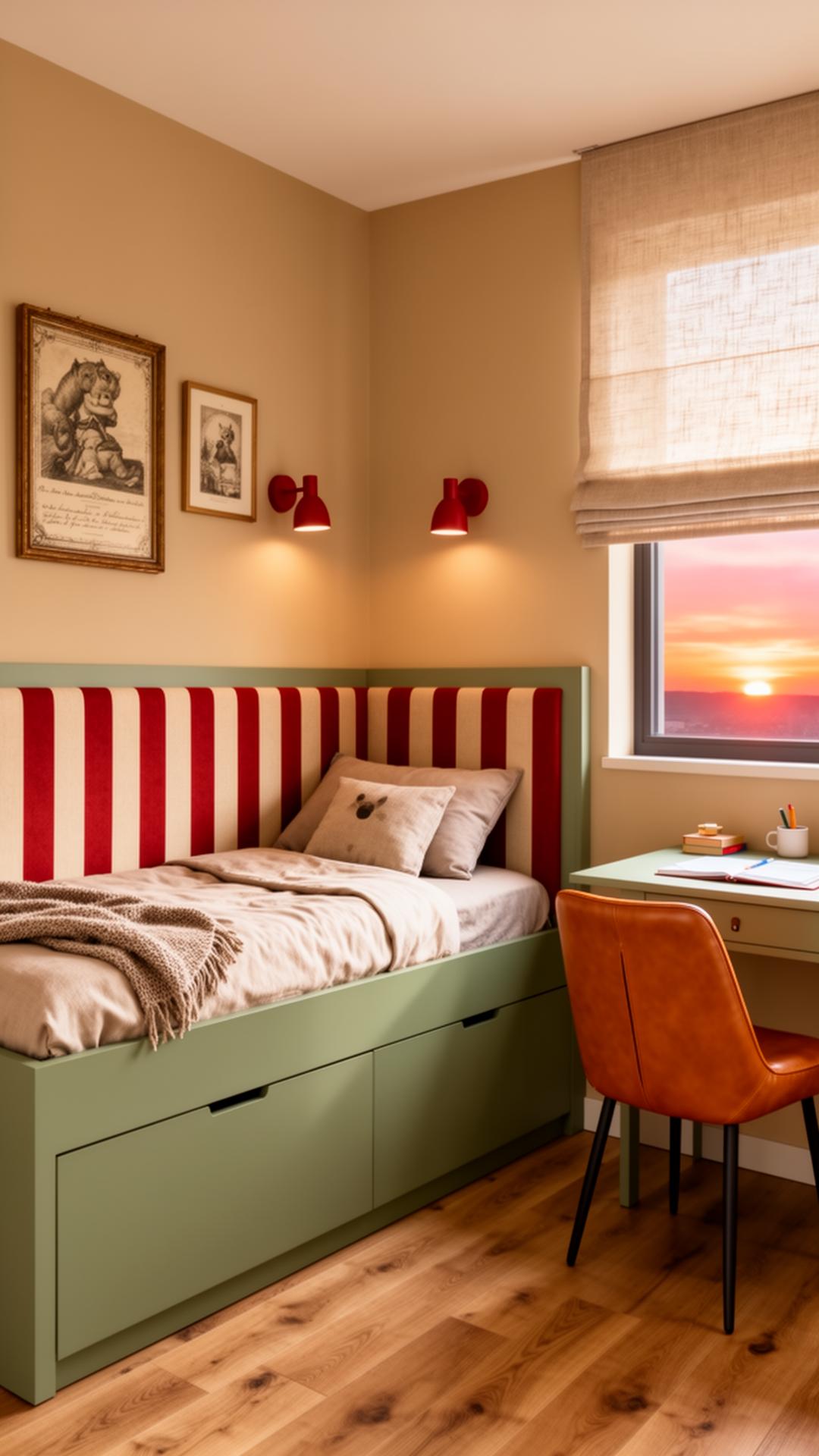
Concept studies from the Toronto side of the studio, labelled for what they are.
Questions, answered
What is warm minimalist interior design?
It is minimalism with the material palette changed. Same restraint — few objects, few finishes, no visual noise — but built from materials that respond to light and use: lime plaster rather than flat paint, solid timber rather than laminate, wool and linen rather than synthetics, unlacquered metals that patinate. The room reads as calm rather than clinical because the surfaces have depth.
How is it different from Japandi or Scandinavian design?
Scandinavian design is a specific regional tradition with its own furniture canon and a light palette suited to northern light. Japandi is a hybrid of that with Japanese proportion and joinery. Warm minimalism is broader and less prescriptive — it is an approach to restraint and material choice rather than a set of forms, and it does not commit you to any particular furniture lineage.
Does it work in a small apartment?
It works better in a small apartment than almost anything else, because reducing the number of materials makes a small room read as one continuous space rather than several competing ones. The catch is storage: minimalism in a small space demands more built-in joinery, not less, and that has to be in the budget from the start.
Is it expensive?
It is unforgiving rather than inherently expensive. With few materials in a room, each one is fully visible, and there is nowhere to hide a poor plaster finish or a badly detailed joinery reveal. The money goes into fewer things done properly — good wall finishes, real timber, well-made textiles — rather than into quantity.
Will a pale room work in a Toronto winter?
Only if it was chosen for a Toronto winter. Palettes selected in July regularly disappoint from November to March, when the light is low, grey, and short. We check every pale scheme against overcast light before committing, and warm the palette where it needs it — usually in the timber and the textiles rather than on the walls.
Can I get this look without a full renovation?
Partly. Wall finish, textiles, lighting, and editing what is in the room will get you most of the way, and those are all achievable as a styling engagement. What you cannot retrofit cheaply is storage and the ceiling plan — and those are the two things that decide whether a minimal room stays minimal.
Want a room that gets better as it wears?
Tell us about the space and how you live in it. We reply to every enquiry within two working days.
yivgalenko@gmail.com·Toronto & Los Angeles