Styles · June 27, 2026
Brutalist Interior Design at Home, Without the Parking-Garage Feeling
Brutalism is the fastest-growing style search of 2026, and the most misread. Here's what soft brutalism really is, how to do it at home without a gut renovation, and how to keep it from feeling like a bunker.
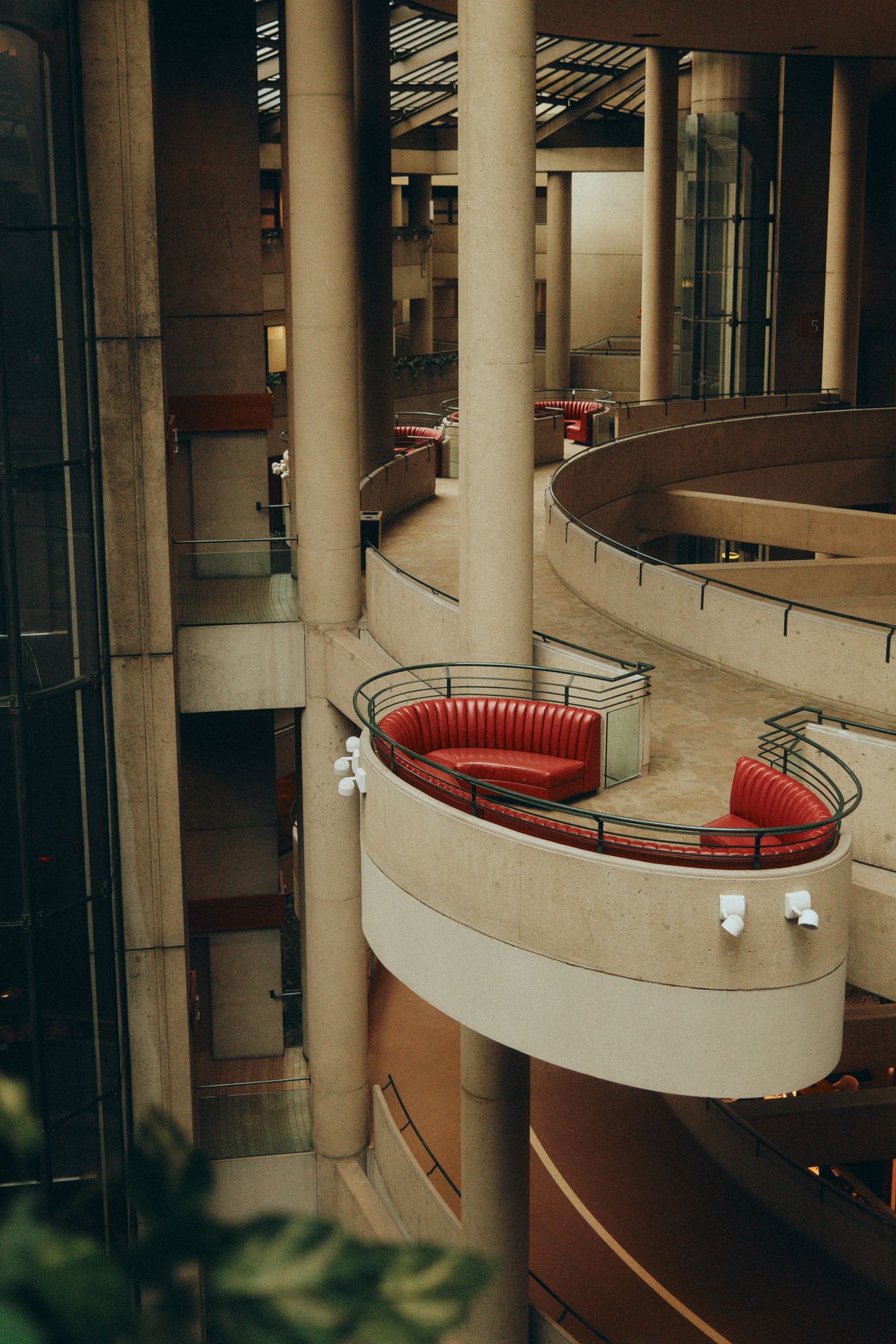
Someone screenshots a concrete loft in Antwerp, falls for it, and tries to recreate it in a 600-square-foot condo. Six months later they've got grey walls, a cold blue glow at 4 p.m., an echo when they talk, and a room nobody wants to sit in. They wanted brutalism. They built a parking garage.
"Brutalist interior design" is the fastest-growing style search I've seen this year, up several thousand percent, and it's also the one people get most wrong. The look that works in 2026 isn't the raw 1970s original. It's a warmer, more forgiving version, and almost nobody searching for it knows the difference yet.
What brutalism actually is
The name comes from béton brut, French for raw concrete, not from "brutal." That mistranslation tells you everything about how the style gets misused. Brutalism in architecture meant showing materials honestly: concrete left as it was poured, steel left unpainted, structure left visible. No veneer, no trim hiding the joint, no pretending a beam is something other than a beam.
Translated indoors, that becomes a short list of moves. Raw or board-formed concrete. Blackened or unfinished steel. Rough or honed stone. Raw timber. Blocky, sculptural furniture that sits low and heavy. And a tight palette — greys, charcoals, warm whites, black — where the texture is the decoration. The difference between smooth poured concrete and rough board-formed concrete matters more here than any paint colour does.
Done purely, it's striking and it's also hard to live in. Which is exactly why the version everyone's actually building in 2026 is softer.
Soft brutalism: the 2026 version worth copying
"Soft brutalism" is the term doing the rounds this year, and for once the buzzword is useful. It keeps the two things that make brutalism good — honest materials and bold geometry — and fixes the thing that makes it unbearable. Every hard surface gets a soft partner.
That's the whole trick, and it's almost mechanical once you see it. Rough concrete wall, bouclé sofa in front of it. Steel-framed window, linen curtain hanging off it. Terrazzo or stone floor, thick wool rug on top. The contrast is the point: the soft thing makes the hard thing look intentional instead of unfinished, and the hard thing makes the soft thing look deliberate instead of fussy.
Brutalism shows you the mass. Soft brutalism gives you somewhere to sit down inside it. That second part is the whole reason people can actually live in the 2026 version.
The other 2026 shift is at the surface level. Metal is losing its shine — matt and patinated, not polished. Concrete is being finished to read velvety rather than industrial. There's even a sustainability thread, with "fluffy concrete," a lighter aerated composite, showing up as a lower-emission way to get the look. The mood is raw but tactile, heavy but warm.
The soft brutalist palette
If you take one thing from this piece, take this table. It's the difference between a room that reads warm-architectural and one that reads abandoned-warehouse.
| Element | The hard half | The soft half that saves it |
|---|---|---|
| Walls | Concrete, microcement, board-formed texture | One timber wall or warm-white plaster nearby |
| Seating | Low, blocky, slab-like silhouette | Bouclé, high-pile wool, heavy linen upholstery |
| Floor | Stone, terrazzo, concrete-look porcelain | Thick wool rug, generous and not too small |
| Metal | Blackened or matt steel, no chrome | Warm brass as the one accent metal |
| Colour | Grey, charcoal, taupe, greige, stone | Chocolate, espresso, clay and terracotta to warm it |
| Light | Sculptural concrete or brass fixture | 2700K bulbs, washed up the wall, never down |
Notice that the colours stay mineral — white, beige, ecru, stone, charcoal — but a deep chocolate or espresso brown gets pulled in on purpose. That brown is the thermostat. It's the single colour that takes the chill off a grey room without abandoning the palette. Terracotta and rust do similar work if you want a little more life.
How to get the look without a renovation
Here's the good news: you do not need to pour concrete. Almost everything that makes a brutalist room read correctly can be faked convincingly, and the people who actually touch and see your walls won't know the difference.
Surfaces. Microcement or concrete plaster on a single feature wall is the highest-impact move, and a specialist can do one wall for low thousands rather than renovation money. If you want it in a bathroom or kitchen, large-format concrete-look porcelain tile is the smart cheat — it has the texture, it's moisture-proof, and it wipes clean. For a rental or a tight budget, a good concrete-effect wallpaper covers more ground than people expect.
Lighting is the whole game
I'll say this louder than anything else: cool white light on grey concrete is what turns a home into a car park. Use 2700K bulbs everywhere this look appears. Then change the direction — wash the light up the wall with an uplight or a floor torchière instead of blasting it down from a ceiling fixture, so the texture of the surface catches a warm raking glow. Top it with one sculptural piece, an oversized brass pendant or a cast-concrete lamp, the kind of object that looks good even when it's switched off.
Soften it, or it bites back
Pile on the textile. Bouclé, wool, linen, a rug that's actually big enough, a couple of large plants. This isn't decoration you can skip — it's structural to the style working. The textiles also fix a problem nobody warns you about: hard surfaces echo. Concrete, glass and steel reflect sound instead of absorbing it, so a stripped brutalist room can be genuinely unpleasant to talk in. Rugs, curtains and upholstery quiet it down while they warm it up. Two problems, one solution.
You can see the restrained version of this thinking in our own work — the raw-but-warm material handling in Atelier Nord and the way stone carries Hotel Marbré both lean on this same hard-meets-soft logic without ever tipping into bunker territory. The rest of our portfolio follows the same rule.
The mistakes that make it cold
The big one is using every brutalist element at once. Concrete walls and concrete floor and exposed steel and stone and no textiles is not more brutalist — it's just hostile. One or two strong gestures carry a room. A single raw wall plus one oversized fixture is plenty; let the rest stay warm and simple.
The second is lighting it cold, which I've already beaten to death, because it's the one that quietly ruins the most rooms. The third is forgetting acoustics until you're standing in the echo. And the fourth is treating it as architecture instead of a home — pure form with nowhere soft to land reads institutional, and institutional is the opposite of what you want in a living room.
If you want the wider context for where this sits among everything else moving this year, I covered the full picture in my 2026 interior design trends piece, and the warm-versus-cold colour question in depth in the 2026 colour trends guide. Brutalism is really just the loudest expression of the same warm-minimalist direction.
If brutalism isn't for you
Plenty of people read all of the above and think: I want the texture and the honesty, but not the concrete. Fair. The other styles having a moment in 2026 are gentler roads to a similar place, and they're worth knowing by name because the search traffic for all of them is climbing.
Transitional is the easiest to live with — it sits between traditional and modern, with soft neutrals, clean-lined furniture, and just enough warmth that nobody finds it severe. Modern Mediterranean brings terracotta, ochre, plaster walls and indoor-outdoor light; it's brutalism's warmth without its weight. Modern French country keeps honest wood and a little vintage character while streamlining the fussy bits. And the question I get constantly — modern versus contemporary — comes down to this: modern is a fixed mid-century-rooted look, while contemporary just means whatever's current, which in 2026 is exactly this warm, textured, grounded mood.
All of these share brutalism's one genuinely good idea — be honest about your materials — and trade the raw concrete for something easier to come home to.
Does it work in a small or cold home?
In a small space, the rule is one brutalist surface, full stop. A microcement wall or a concrete-tiled bathroom gives you the whole identity; do more than that and the room shrinks around you. Keep everything else warm, light and uncluttered so the one heavy gesture has room to breathe.
In a cold north-facing Canadian condo, the winter light is already doing the parking-garage thing for free, so you fight it. Warm timber floors, 2700K light, chocolate-brown and clay tones, and a lot of wool. I'd keep raw grey concrete off all four walls in that situation — it amplifies the cold blue light instead of countering it. This is the same advice in every direction: in this climate, you choose the warm half of soft brutalism and you mean it.
If you're staring at a grey wall and a Pinterest board right now and can't tell whether you're about to build something striking or something you'll hate by February, that's exactly the conversation I like having. Book a consultation and we'll start from your actual room, your actual light, and how much concrete you can honestly live with.
People also ask
- What is brutalist interior design?
- Brutalist interior design borrows from 1950s–70s brutalist architecture: raw, honest materials shown as they are, with no decoration hiding what a thing is made of. In a home that means exposed or board-formed concrete, unfinished or blackened steel, rough stone, raw timber, blocky sculptural furniture, and a tight palette of greys, charcoals, warm whites and black. The whole idea is that the material is the ornament — texture does the work that pattern and trim usually do.
- What is soft brutalism, and why is everyone using that term in 2026?
- Soft brutalism is the 2026 version of the style, and it's the one worth copying. It keeps brutalism's two core moves — honest materials and bold geometry — but pairs every hard surface with a soft one: concrete walls against bouclé and high-pile wool, steel frames cradling linen, terrazzo floors warmed by a thick rug. It also swaps cold light for warm, and adds timber and plants. The point is a room that's dramatic but actually liveable, not a concrete box you only photograph.
- How do I get a brutalist look without a full renovation?
- You don't need to pour concrete. The cheapest convincing route is microcement or concrete plaster on a single feature wall, or large-format concrete-look porcelain tile, which is moisture-proof and works in a bathroom or kitchen. Add one oversized cast-concrete or brass pendant, one low blocky sofa, and warm 2700K lighting. One or two strong gestures carry a whole room — you do not need every brutalist element at once, and using them all at once is the most common way it goes wrong.
- Isn't brutalist design cold and uncomfortable?
- It is, when it's done as pure architecture with nothing to soften it — that's the failure mode, and it reads institutional fast. The fix is built into soft brutalism: enough textile, timber and greenery to counter the hard surfaces, plus warm light. There's also a practical issue people forget — concrete, glass and steel bounce sound, so a brutalist room can echo. Rugs, curtains, upholstery and plants solve the acoustics and the chill at the same time.
- What materials and colours define brutalist interiors in 2026?
- Materials: concrete (or microcement and concrete-look porcelain as stand-ins), matt blackened steel, rough or honed stone, raw oak and walnut, and tactile textiles like bouclé, wool and heavy linen. The 2026 shift is toward matt over shiny and warm over cold — metal loses its gloss, concrete reads velvety. Colours stay mineral and earthy: white, beige, taupe, ecru, greige, stone, clay and charcoal, with deep chocolate or espresso brown brought in specifically to take the chill off the grey.
- What lighting works best for a brutalist room?
- Warm and indirect. Use 2700K bulbs, never cool 4000K — cool light on grey concrete is exactly what turns a home into a parking garage. Wash light up the walls with wall-mounted uplights or a floor torchière rather than blasting down from the ceiling, so the texture of the concrete catches the light. Then add a single sculptural fixture — an oversized brass pendant or a cast-concrete lamp — as the one piece that looks good even switched off.
- Does brutalism work in a small home or a cold Canadian condo?
- Yes, but with restraint. In a small space, pick one brutalist surface — a microcement wall or a concrete-look tiled bathroom — and let everything else stay warm and simple, or the room closes in on you. In a north-facing Canadian condo where winter light is already cold and blue, lean hard on the warm side of soft brutalism: timber floors, 2700K light, chocolate-brown and clay tones, and generous wool textiles. Skip raw grey concrete on every wall; it amplifies the cold light instead of fighting it.
- What's the difference between brutalist and minimalist interiors?
- Minimalism is about absence — fewer objects, hidden storage, calm empty surfaces. Brutalism is about presence — the materials are loud even when the room is sparse. A minimalist room can be all warm white and feel like nothing is shouting; a brutalist room can hold just a sofa and a slab of concrete and still feel heavy and architectural. They overlap in their love of negative space, but minimalism quiets the materials while brutalism celebrates them.
- What should I choose if brutalism feels too harsh for me?
- The other styles trending for 2026 are gentler routes to the same warm, textured, grounded feeling. Transitional sits between traditional and modern with soft neutrals and clean-lined furniture — the easiest to live with. Modern Mediterranean brings terracotta, ochre, plaster walls and indoor-outdoor light. Modern French country keeps warm wood and a little vintage charm without the fuss. All three share brutalism's honesty about materials but trade the concrete for warmth, which suits most family homes better.
- How much does a brutalist-inspired room cost?
- It depends entirely on whether you build the materials or fake them. Microcement on one wall by a specialist runs into the low thousands; a roll of good concrete-effect wallpaper or a few boxes of concrete-look porcelain tile is far cheaper. Real board-formed concrete, structural steel and stone are renovation-scale costs. The honest budgeting move is the same as any project: decide your total number first, spend it on the one or two surfaces people actually touch and see, and fake the rest convincingly.