Toronto · February 2, 2026
Interior Design Show Toronto 2026: Field Notes from the Floor
Field notes from IDS Toronto 2026 — the standouts I'd actually spec, what the floor signalled for the year ahead, and how to work the show if you go next January.
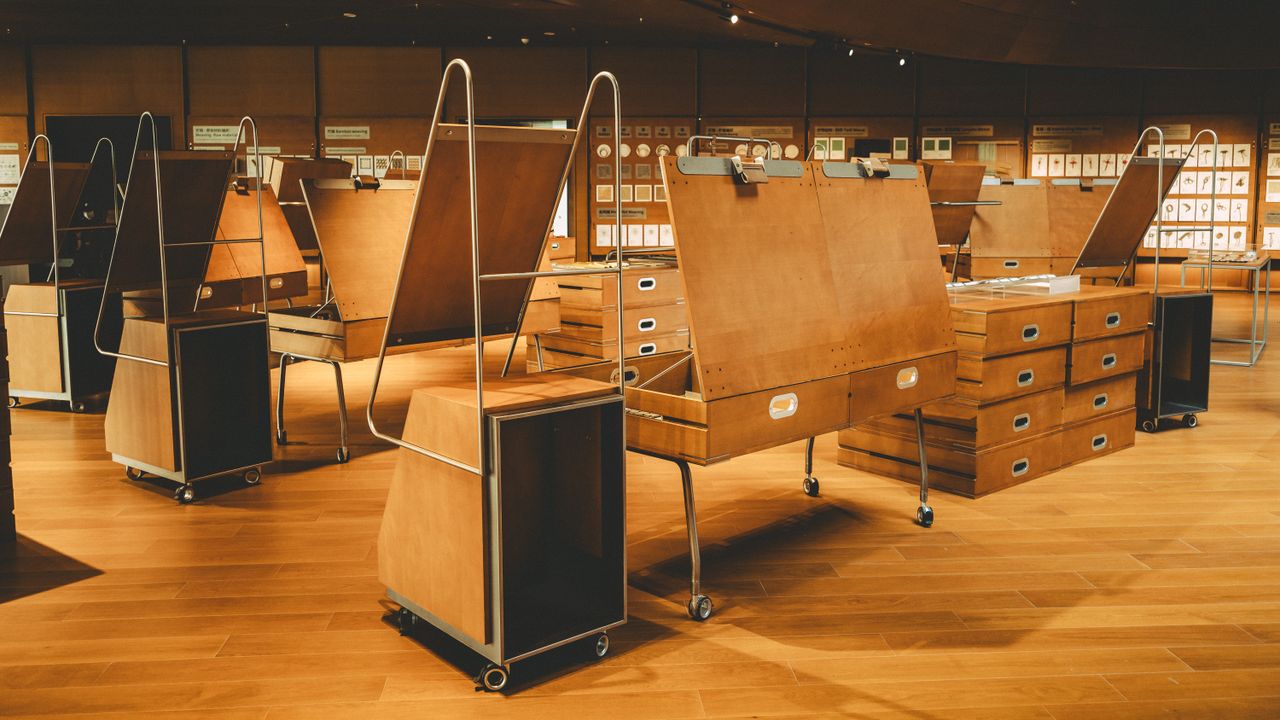
I came up from the PATH out of the cold, and the first thing I felt at the Metro Toronto Convention Centre was the temperature change. Toronto was in the middle of a record cold snap that weekend in late January, snow piling against the Front Street doors, and the show floor was warm, loud, and packed. That contrast set the tone for IDS Toronto 2026: everyone wanted rooms that felt like shelter.
The basics: dates, venue, and the shape of the show
The Interior Design Show (IDS Toronto) 2026 ran January 22 to 25 at the Metro Toronto Convention Centre, 255 Front St W. It's Canada's flagship interior design trade show, and one source reported hours of Thursday and Friday 11 to 7, Saturday 10 to 7, and Sunday 10 to 5. The early days lean trade, the weekend leans public. If you have a choice, go early in the week and early in the day.
The layout splits roughly into three worlds: the big brand aisles, the international pavilions, and the emerging-designer sections. This year the programming included a workspace zone called "How We Work," a bar installation billed as "Field of Interaction," an IKEA kitchen experience, and international pavilions from Italy (around ten brands) and Portugal. Canadian brand Ourse debuted. The talks calendar billed Yves Behar, Tatiana Bilbao, Eames Demetrios, Tommy Smythe, and Brian Gluckstein, though I'd treat that as scheduled rather than confirmed in the room.
What I'd actually buy and spec
I judge a show by a simple test: what would I put in a real client's room next month? A few things passed.
Lighting was the strongest category on the floor, and that's where my notebook filled up. The sculptural pieces from Lambert & Fils, Anony, and Axo Light were the ones I kept circling back to. Anony in particular makes lighting that reads as quiet jewellery for a room rather than a statement that fights everything else, easy to specify into a calm space. I'd spec all three for the right project without hesitation.
The piece getting the most coverage, reported by outlets like Azure and Dezeen, was Yves Behar's rounded "Peaks" sofa for Moooi. I didn't sit on it long enough to vouch for the comfort, so I'll call that a reported standout rather than a personal verdict. But the rounded, soft-edged silhouette of it tells you exactly where seating is going this year.
In Prototype, Daniel Roe took the Best Prototype award, and the emerging work was, as usual, more interesting than half the brand aisles. There was even a Volvo stand, which sounds odd at a design show until you remember car interiors and furniture have been borrowing from each other for years. The 2026 Best of Canada Design Awards winners were announced during the week, and they're a good shortlist to pull from when you want Canadian-made pieces with some editorial weight behind them.
What the floor signalled for 2026
If you walked the show with your eyes half-closed, you'd still get the message: warm natural materials and curved forms, everywhere. Oak and walnut, plaster, honed stone, brass over chrome, and very few hard right angles. Dezeen summed up the broader year as a move toward curated calm over superficial opulence, and that matched what I saw on the floor.
The cold grey, glossy era is finished. What's replacing it is quieter, warmer, and more about texture you want to touch than surfaces that photograph well.
This isn't a Toronto-only story. It lines up with the broader direction I've written about in our 2026 interior design trends guide, and with the warm, grounded palettes covered in our 2026 colour trends piece. The show is the three-dimensional version of trends you can otherwise only read about. That's the real argument for going: you get to touch the material instead of trusting a render, which is also the gap I keep flagging in our guide to AI design tools.
How to work the show next year
IDS runs every January, so if you missed 2026, here's how I'd plan for next time. None of this is complicated, but most visitors get it wrong and leave exhausted with a phone full of useless photos.
- Go early in the day. The floor is calmest in the first hour, exhibitors have time to actually talk, and you can get close to the popular stands before the crowd three-deep forms.
- Bring a notebook, not just your camera. Photos pile up and lose meaning by the time you're home. Write the booth number, the maker, the lead time, and one line on why it caught your eye.
- Target Studio North and Prototype first. The emerging sections are where you see the year before it arrives. Hit them while your attention is fresh, then circle back to the brands.
- Touch the materials. The whole point of going in person is that you can run your hand over the stone, the boucle, the brushed brass. A finish that looks warm on screen can feel cheap in the hand, and vice versa.
- Wear comfortable shoes. I'm not joking. The convention centre is enormous and you'll log real distance. Dress in layers too, given a Toronto January.
One more practical note for trade visitors: ask every exhibitor you like about Canadian availability and lead times before you fall for something. A gorgeous Italian piece with a sixteen-week ocean freight window can quietly wreck a project timeline.
Who the show is actually worth it for
For working designers, architects, and trade, IDS Toronto is an easy yes. You can source, read the year's direction, and see materials in person in a single afternoon, which is hard to replicate any other way in this country.
For homeowners mid-renovation, the public weekend days are genuinely useful, go to feel real finishes and meet makers, not to buy on the spot. For everyone else, be honest with yourself: a lot of the floor is stands selling product, and without a project in mind it can blur together fast.
I left with a notebook full of lighting sources and a clearer read on where seating is heading, then walked back out into the snow. If you're planning a Toronto project and want that same read applied to your actual rooms, see our recent work, including the Toronto residence Casa Lumiere, or book a consultation with the studio.
People also ask
- When and where was the Interior Design Show Toronto 2026?
- IDS Toronto 2026 ran January 22 to 25, 2026 at the Metro Toronto Convention Centre, 255 Front St W, Toronto. It is Canada's flagship interior design trade show. Reported hours were Thursday and Friday 11-7, Saturday 10-7, and Sunday 10-5. The show mixes consumer days with trade programming, so the crowd and pace shift noticeably from Thursday through Sunday.
- What is IDS Toronto?
- IDS Toronto, short for the Interior Design Show, is Canada's largest design fair, held annually in January at the Metro Toronto Convention Centre. It brings together furniture and lighting brands, emerging-designer sections like Studio North and Prototype, international pavilions, keynote talks, and the Best of Canada Design Awards. Azure Magazine acts as a programming partner. It draws both industry professionals and the public.
- Who were the speakers at IDS Toronto 2026?
- Billed and scheduled speakers for IDS Toronto 2026 included Yves Behar, Tatiana Bilbao, Eames Demetrios, Tommy Smythe, and Brian Gluckstein. The talks program ran alongside the show floor across the four days. I'd treat the speaker list as scheduled rather than confirmed-attended, since lineups can change, but it gives a fair sense of the calibre the show programs.
- What were the design trends at IDS Toronto 2026?
- Warm natural materials and curved forms dominated the floor: oak and walnut, plaster, honed stone, brass, and rounded furniture silhouettes. Dezeen framed the broader 2026 mood as curated calm over superficial opulence. The cold grey, hard-edged look has clearly faded in favour of quieter, textured, grounded rooms. Lighting was a strong category, with sculptural pieces from several Canadian and international makers.
- What is Studio North at IDS Toronto?
- Studio North is the section of IDS Toronto dedicated to emerging and independent designers showing original, often experimental work. Alongside Prototype, it is where I spend most of my time, because it shows where the field is heading before the big brands catch up. At IDS Toronto 2026, Daniel Roe won the Best Prototype award. If you visit, start here before the main brand aisles.
- Were there international exhibitors at IDS Toronto 2026?
- Yes. IDS Toronto 2026 featured international pavilions including Italy, with around ten brands, and Portugal. There was also an IKEA kitchen experience, a Volvo stand, and Canadian brand Ourse making its debut. The mix of large global names and small independent studios is part of what makes the show useful for spotting direction across price points, not just at one end of the market.
- Is IDS Toronto worth visiting?
- It depends who you are. For designers, architects, and trade, it's worth it for sourcing, materials you can touch, and reading the year's direction in one afternoon. For homeowners planning a renovation, the consumer days are useful for getting a feel for real finishes rather than renders. For casual browsers it can feel like a lot of stand sales. Go with a clear reason and it pays off.
- How do I make the most of IDS Toronto?
- Go early in the day before crowds build, wear comfortable shoes, and bring a notebook rather than relying on photos. Target Studio North and Prototype first, then circle back to brands. Touch materials and ask exhibitors about lead times and Canadian availability. Pace yourself across a couple of hours rather than rushing. If you're sourcing for a project, note booth numbers and follow up after the show.