Toronto · Home offices
Home Office Interior Design in Toronto
A home office has three jobs: let you concentrate, look decent on camera, and put itself away at six o'clock. Most do one of them.
Plan My Home Office →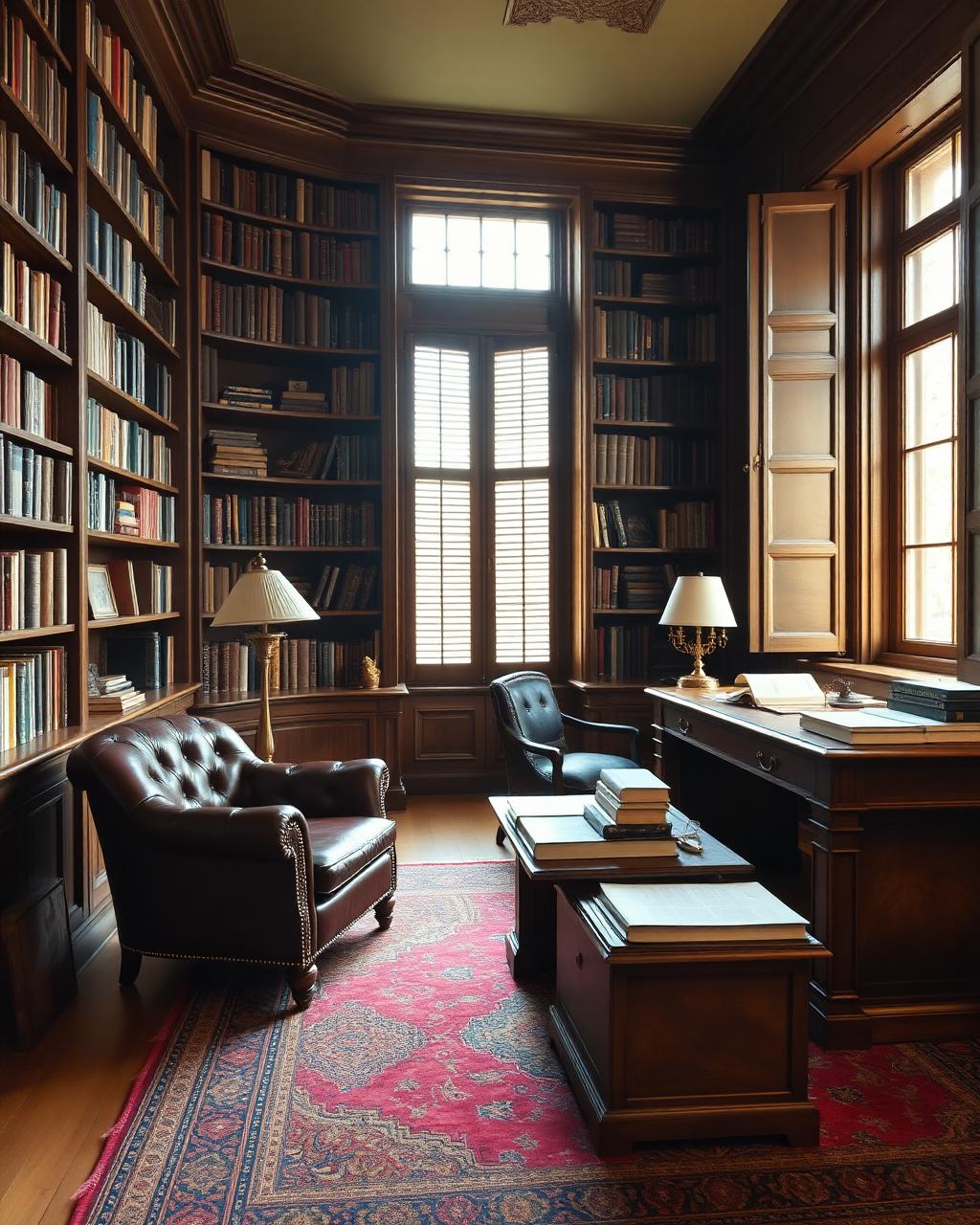
Built for an eight-hour day
A lot of Toronto home offices started as a laptop on the dining table in 2020 and never got better. A desk was added, then a ring light, then a second monitor. The room still was not designed.
We design for the full working day. Where the screen sits relative to the window. What is behind you on a call. Where the paper goes. Whether anyone else in the house can hear you.
It works in a spare bedroom, a condo den, a basement, or the end of a living room. Smaller spaces just need more precision.
Light and the screen
Put the desk at a right angle to the window, not facing it and not with your back to it. Facing the window means squinting into glare for hours. Back to the window means a glare on the monitor and a dark face on every call.
Add a task light on the side opposite your writing hand and a soft light in front of you, above the camera, for calls. Ceiling light alone puts shadows under your eyes on video.
Monitor at arm's length with the top of the screen at about eye level. A desk around 740mm high suits most people, but adjustable is better if you can fit it.
Sound and the background
Hard rooms echo on calls. A rug, curtains, a full bookshelf, or a few acoustic panels behind the screen make a bigger difference to how you sound than a better microphone.
The background on camera is part of the design. Bookshelves, a plain wall with one piece of art, or built-in cabinetry all work. A bed, a laundry rack, or an open closet do not. We plan the camera view as deliberately as the desk.
If other people are home during the day, a solid-core door with a seal at the bottom blocks more noise than anything you can put on the walls.
Condo dens and small spaces
Many Toronto condos have a 'den' — often 2m by 2m, sometimes with no window and no door. It can be a good office if it is planned for: a wall-to-wall desk to use every centimetre, closed storage above, a sliding or pocket door if the building allows it, and lighting that makes up for the missing window.
If there is no separate room at all, a cabinet desk that closes at the end of the day is worth more than a nicer chair. Work you cannot see is work you can stop thinking about.
What a home office project covers
Desk and layout
Desk position planned against the window, the door, and the camera view.
Lighting
Task light, ambient light, and a soft front light for video calls, all on dimmers.
Acoustics
Soft surfaces and door seals placed where they reduce echo and outside noise.
Cable and power plan
Outlets, data, and cable routes planned so nothing trails across the floor.
Toronto work
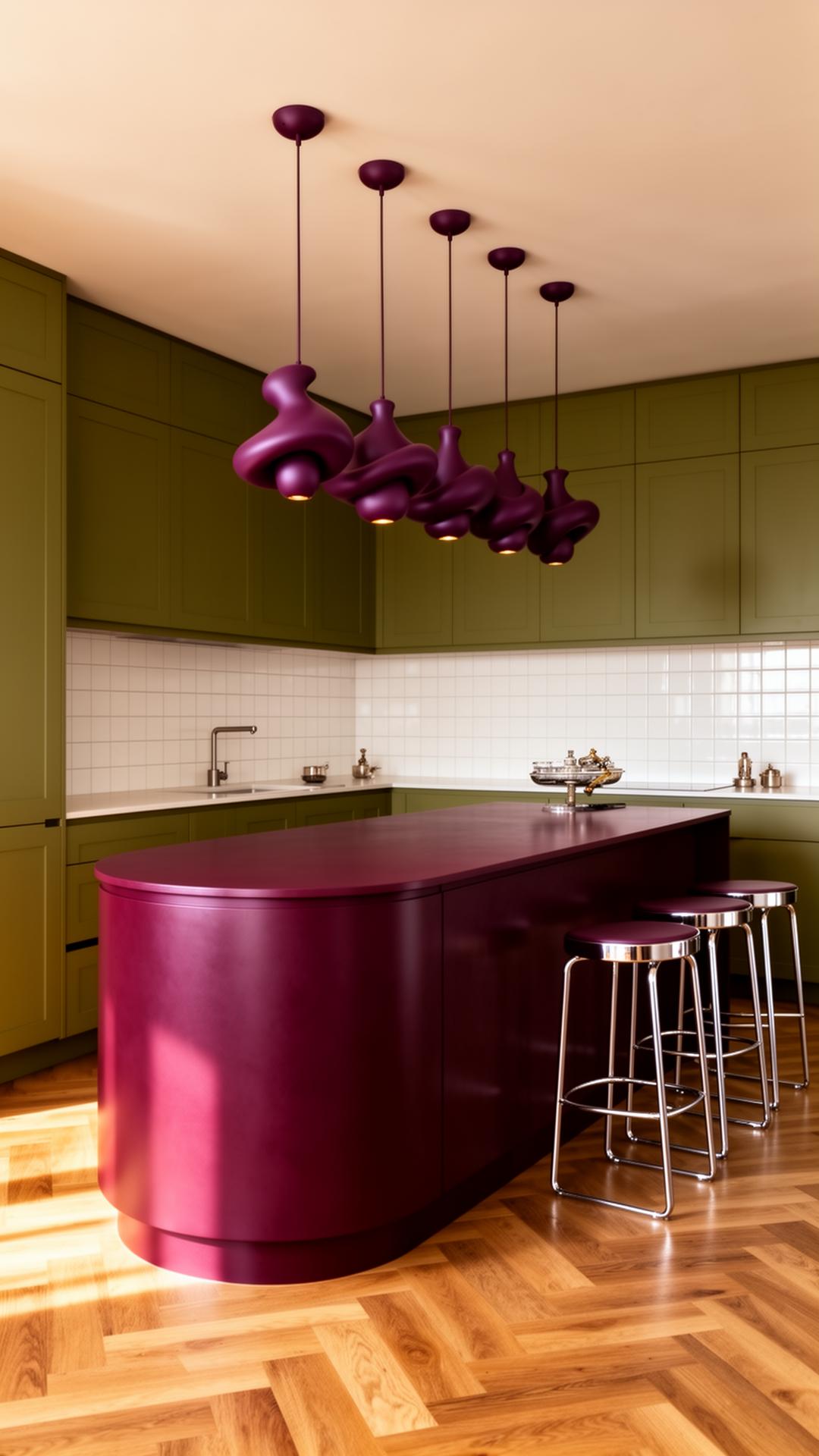
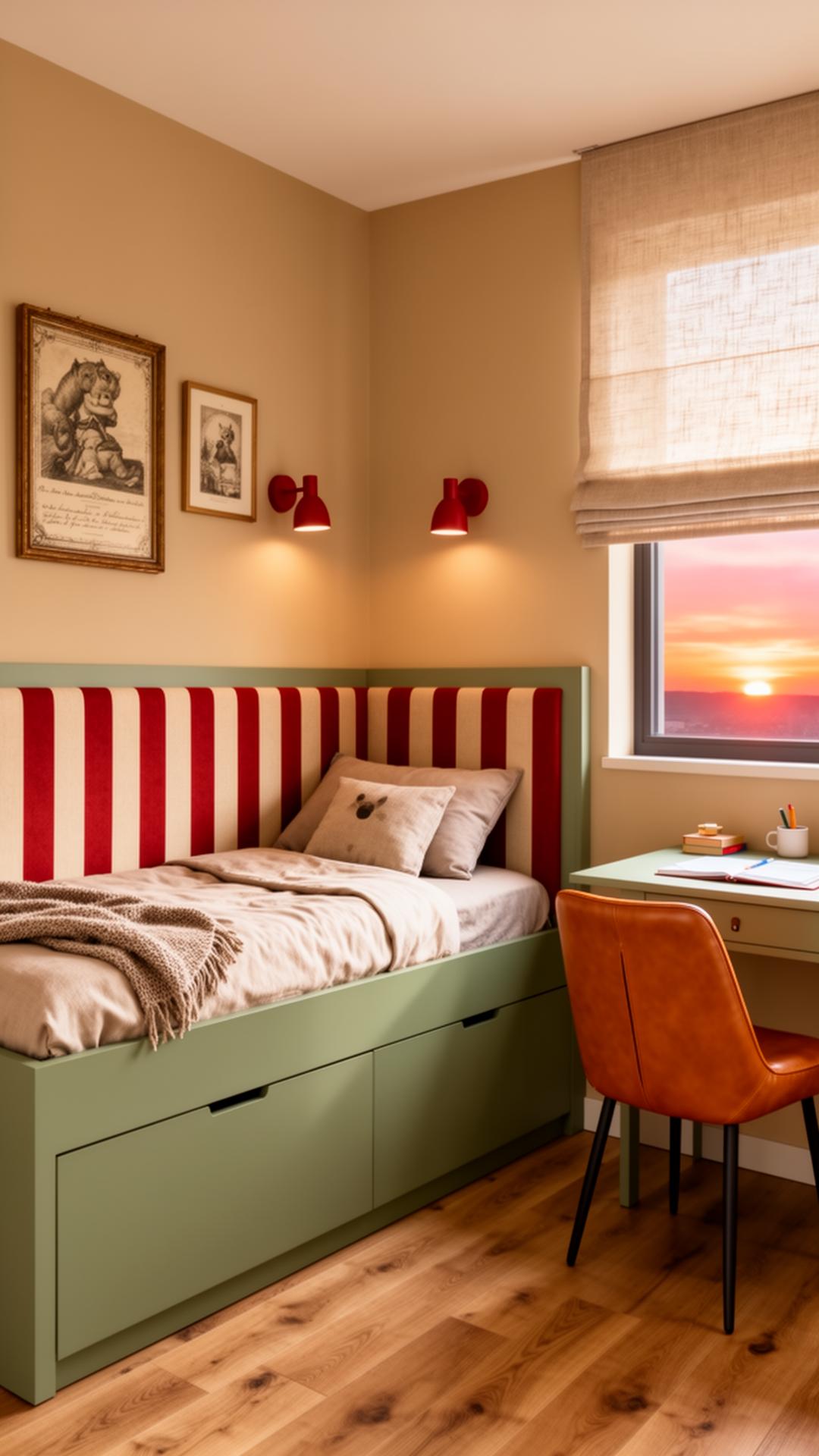
Concept studies from the Toronto side of the studio, labelled for what they are.
Home office questions, answered
How much does it cost to design a home office in Toronto?
Three ways in. Virtual design for one room is $225 to $780, and you do the buying. Furnishing and lighting with no construction is $975 to $3,250. A built-in desk wall moves it to the per-room flat fee of $1,625 to $9,750, since joinery needs drawings.
Can a condo den work as an office?
Usually, yes. Most dens are small and many have no window, so the plan relies on a full-width desk, storage above it, good artificial light, and a door or screen if the building allows it.
Where should the desk go?
At a right angle to the window, so daylight falls across the desk rather than into your eyes or onto the screen. Avoid sitting with your back to the door if you can — most people find it hard to focus that way.
What is the best background for video calls?
Something calm and deliberate: bookshelves, a plain wall with one piece of art, or closed cabinetry. Light it from the front, not from behind, and keep the bed and the laundry out of frame.
Can I write off home office design costs?
Canadian tax rules on home office expenses are specific and change. That is a question for your accountant, not your designer. We are happy to provide itemised invoices.
How long does it take?
Design is usually two to three weeks. Off-the-shelf furniture can be in place within a month. Built-in desks and shelving are commonly eight to twelve weeks from the millwork shop.
Fix the room you work in
Tell us where you work now and how many hours a day you spend there. Small jobs are welcome: virtual design for one room is $225 to $780. We reply within two working days.
yivgalenko@gmail.com·Toronto & Los Angeles